Space science
Satellites leave Saturn faster and faster
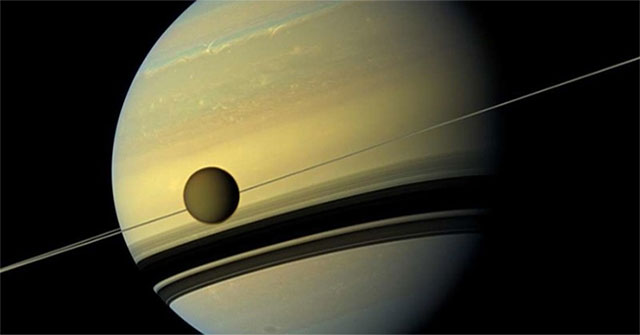
The satellites gradually leave the planet they orbit around.
Browse ScienceInfo articles and explainers related to Saturn Titan.
21 published items.
The satellites gradually leave the planet they orbit around.
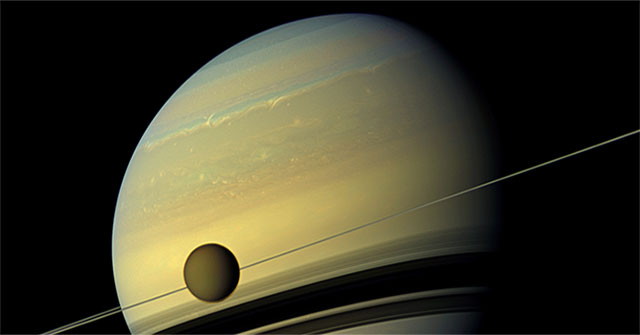
The map shows that the Titan has lots of plains and mounds, including frozen organic matter and many liquid methane reservoirs.

Astronomers using NASA's Infrared Telescope (IRTF) discovered propadiene - a colorless, flammable gas known as a specialized welding fuel in the stratosphere of the Moon…
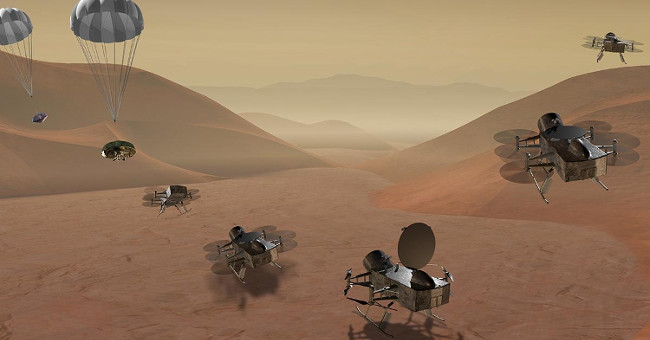
Peter Bedini, director of the Dragonfly project, said the flying dragon's flying ability will help it to overcome geological obstacles more easily than previous equipmen…
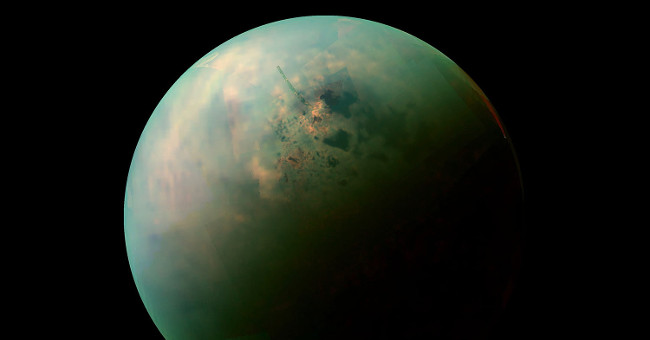
Scientists from the US Aeronautics and Space Agency (NASA) said Cassini spacecraft first discovered vinyl cyanide molecules on Saturn's moon Titan.
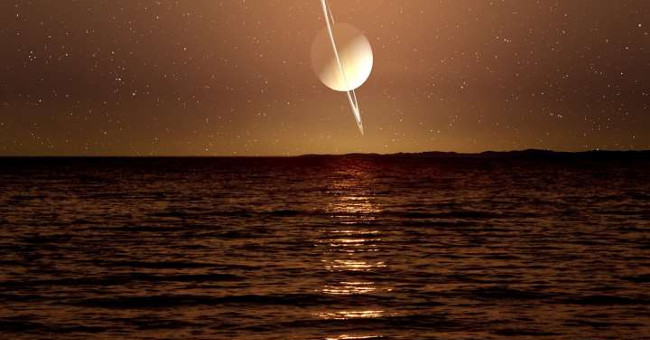
Saturn's Titan moon is the only place outside of Earth known for its liquid-filled surface.
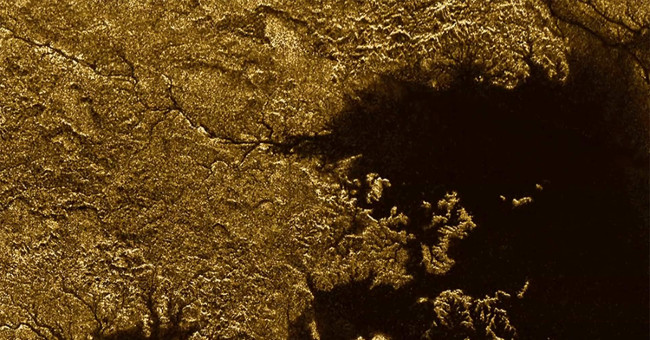
Titan, a Saturn moon satellite, has ravines hundreds of meters deep with rivers with flowing water signaling the possibility of life.
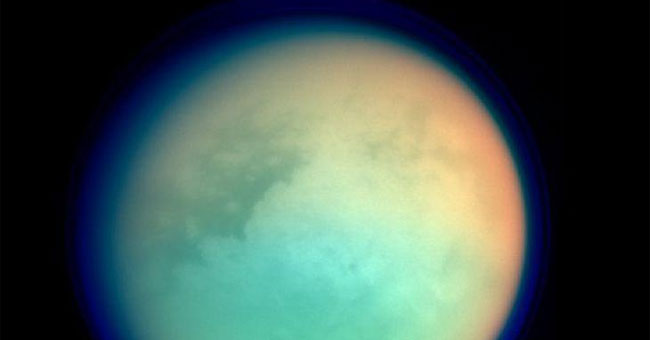
Saturn's largest moon - Titan - is one of the places where flower scientists put much hope into finding the life of aliens in our solar system.
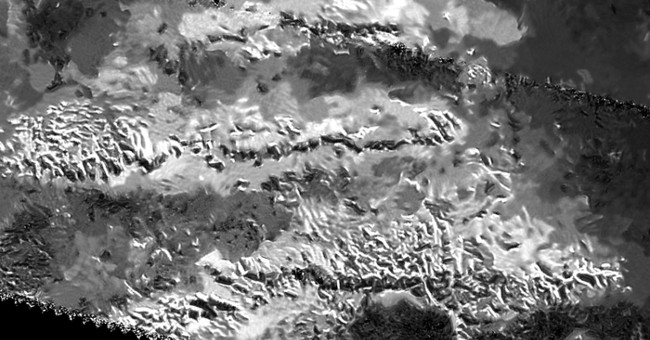
Scientists on NASA's Cassini spacecraft have just taken a flight to the highest peak of Titan on Saturn.
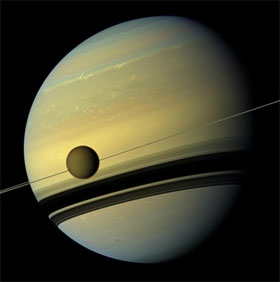
Astronomers have discovered a cyanide cloud covering Titan's southernmost region, a phenomenon similar to what happened in 2009 when Saturn, Titan's mother star, began t…
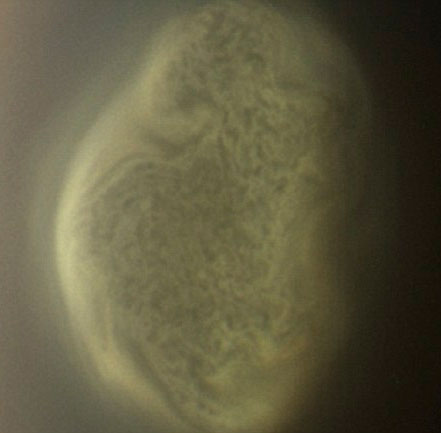
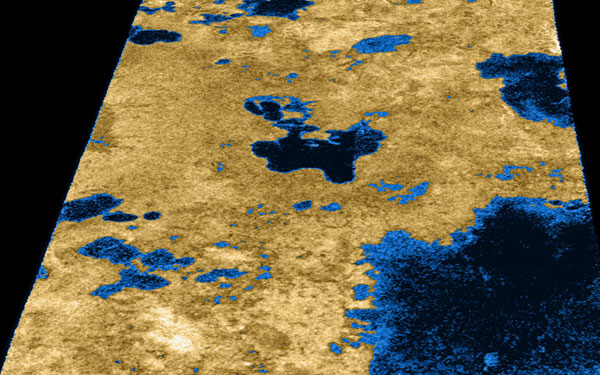
The US Aerospace Agency (NASA) said last week that data from the Cassini spacecraft showed that Saturn's moon Titan could contain a layer of liquid water beneath Titan's…

According to recent analysis results, in many places on Saturn's moon Titan, every 1000 years on average there is rain. But unlike the rain on Earth, the rain on this mo…

Titan, Saturn's largest moon, is a strange and fascinating world covered in dense methane atmosphere. With an average surface temperature of -185ºC and a diameter less t…

The US Aerospace Agency has just released a photo showing the presence of a liquid in the northern hemisphere of Titan, Saturn's largest satellite.